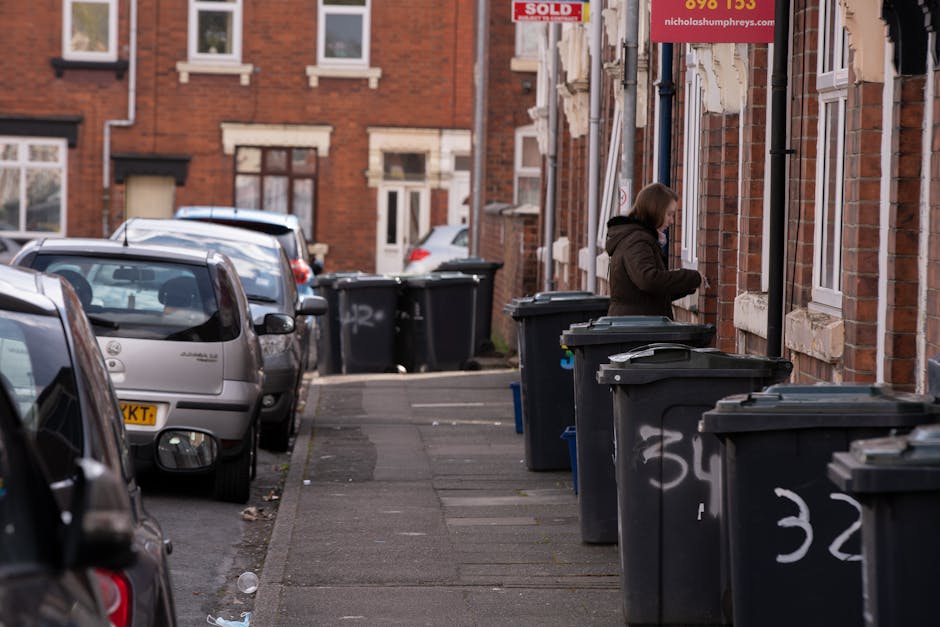
Thamesmead business rubbish collection for shops and offices
If you run a shop, cafe, salon, warehouse unit, or office in Thamesmead, rubbish has a habit of turning up faster than you planned for. Cardboard piles beside the till, broken packaging in the stockroom, old desks in a meeting room corner, and the odd fridge humming in the back can all build up before you know it. Thamesmead business rubbish collection for shops and offices is simply the practical, regular, no-drama way to keep that waste moving out of the premises and away from your day-to-day operations.
Done well, it keeps customers happier, staff safer, and your workspace looking professional. Done badly, it becomes cluttered, costly, and awkward very quickly. This guide explains how it works, what to expect, where businesses trip up, and how to choose the right approach for a commercial setting in Thamesmead.
Contents
- Why Thamesmead business rubbish collection for shops and offices Matters
- How Thamesmead business rubbish collection for shops and offices Works
- Key Benefits and Practical Advantages
- Who This Is For and When It Makes Sense
- Step-by-Step Guidance
- Expert Tips for Better Results
- Common Mistakes to Avoid
- Tools, Resources and Recommendations
- Law, Compliance, Standards, or Best Practice
- Options, Methods, or Comparison Table
- Case Study or Real-World Example
- Practical Checklist
- Conclusion
- Frequently Asked Questions
Why Thamesmead business rubbish collection for shops and offices Matters
Commercial waste is not just a housekeeping issue. In a busy Thamesmead shop or office, rubbish affects how people move, how the place smells, how quickly stock can be handled, and how safe the premises feel. A stack of empty delivery boxes might seem harmless at 9am; by 4pm it is blocking the back corridor and making it harder to get to the fire exit. Small things, big consequences. You know how it goes.
For shops, waste can have a direct effect on customer experience. A clean entrance, tidy stockroom, and uncluttered rear access area all suggest a business that is organised and trustworthy. For offices, the impact is more operational. Overflowing bins slow the team down, make cleaning harder, and can create a slightly grim end-of-week atmosphere nobody really wants.
There is also the environmental side. Commercial waste should not simply vanish. It needs sorting, lifting, transporting, and disposing of properly. A responsible provider should be able to support recycling and material recovery where suitable, which is why many businesses prefer to read about recycling and sustainability practices before booking.
Expert summary: the best waste service for a Thamesmead business is the one that keeps your site tidy without disrupting trading, respects safety, and handles mixed waste sensibly rather than treating every collection like a one-size-fits-all job.
It sounds straightforward. In reality, the difference between a smooth collection and a stressful one usually comes down to planning, access, and knowing what type of waste you actually have.
How Thamesmead business rubbish collection for shops and offices Works
Most business rubbish collections follow a simple pattern. First, you identify the waste type and volume. Then you decide whether you need a one-off clearance, an ad hoc collection, or an ongoing service. After that, the provider arranges a collection time that suits your opening hours, access constraints, and the amount of waste sitting on site.
For shops, this often means collecting packaging, old display materials, damaged stock, shelving offcuts, and general rubbish from the back of house area. For offices, it usually includes desks, chairs, paper waste, archive clear-outs, e-waste, and the occasional bulky item that has been sat in a corner for months, quietly bothering everybody.
A practical provider will usually want a rough description of the waste before arrival. That matters because some items require special handling. For example, electrical equipment, confidential paperwork, fridges, or potentially hazardous materials should not be treated like standard mixed waste. If your clearance includes special items, it may be worth checking related services such as confidential shredding, fridge and appliance removal, or hazardous waste disposal.
Timing is another part of the process. Many commercial collections are arranged early, late, or outside the busiest customer period. That keeps disruption low. A lot of business owners ask for a quick turnaround because, to be fair, nobody wants a pile of old office furniture still sitting there when the Monday team walk in.
Some jobs are handled by a team that loads everything for you. Others may involve pre-sorting or separating certain materials to speed up recycling. If you are unsure what can be included, a useful starting point is the page on what can go in a skip, even if you are not using a skip itself. It helps frame what is generally accepted, what is usually restricted, and what needs a more careful route.
Key Benefits and Practical Advantages
The obvious benefit is cleaner premises. But there is more to it than that.
- Better first impressions: customers notice clutter, even if they never say so aloud.
- Safer working areas: fewer trip hazards, clearer walkways, and less clutter around exits and doors.
- More usable space: back rooms and storage areas can be used for actual business needs instead of becoming accidental dumping grounds.
- Less staff friction: teams spend less time arguing about where the rubbish should go.
- Improved hygiene: important in food retail, hospitality, and busy customer-facing sites.
- Flexible collection times: especially helpful for businesses that trade through the day.
- Better recycling outcomes: when waste is separated properly, more of it can be diverted from landfill.
There is also a quiet but important benefit: consistency. If waste is collected on a sensible schedule, people stop improvising. No more temporary bags in the corridor. No more boxes leaning against the fire door. No more "we'll deal with it later" becoming the weekly routine.
For office managers in particular, regular clearance can support a calmer workspace. It sounds minor, but physical clutter often creates mental clutter too. One clear-out can make a room feel twice the size. We have all seen it happen.
Who This Is For and When It Makes Sense
This service is relevant to a wide mix of Thamesmead businesses. If you have goods coming in, packaging going out, staff producing office waste, or storage areas filling up, you are in the right place.
Typical users include:
- independent shops and convenience stores
- offices and professional service firms
- cafes, takeaways, and hospitality venues
- salons, clinics, and wellness businesses
- small warehouses and trade counters
- estate agents and letting offices
- schools, community organisations, and managed premises
It makes sense when a normal bin service is no longer enough. Maybe your waste is bulky. Maybe it is too heavy for your team. Maybe you have got a refurb, a stock reset, or a clear-out after a busy quarter. In those situations, a dedicated clearance service is usually faster and less messy than trying to piece things together yourself.
It also makes sense when items need special handling. Old office printers, monitor screens, server cabinets, and mixed electricals do not belong in the same pile as cardboard and paper. Nor do any items that might be sharp, greasy, contaminated, or potentially hazardous. If that sounds familiar, then proper waste removal is not a luxury; it is the sensible route.
And for businesses with tight opening hours? Even more so. The right collection setup means your team can keep trading while the waste quietly disappears behind the scenes.
Step-by-Step Guidance
Here is the simplest way to approach a commercial rubbish collection without making it more complicated than it needs to be.
- List the waste types. Separate general rubbish, cardboard, office furniture, electricals, confidential paper, and anything unusual.
- Estimate the volume. A few bags is not the same as a room full of shelving, chairs, and broken fixtures.
- Check access. Think about stairs, narrow corridors, parking, loading points, and whether the collection needs to avoid customer flow.
- Decide the timing. Early morning, after closing, or during a quiet window often works best.
- Ask about special items. Fridges, appliances, confidential files, and potentially hazardous materials need clear handling.
- Confirm the process. Make sure you know what is included, how waste is loaded, and whether sorting is needed on site.
- Prepare the area. Stack items safely and keep walkways free. It saves time and reduces fuss on the day.
- Review the outcome. After collection, check that the intended areas are clear and that nothing sensitive was left behind.
A small practical tip: assign one staff member to be the point of contact. Nothing slows a collection like three people answering questions in three different ways. Simple job, clear answer, done.
If you are also clearing furniture from an office, the dedicated office clearance service can be a natural fit, especially if the job includes desks, chairs, cabinets, or mixed office contents rather than only loose rubbish.
Expert Tips for Better Results
A good commercial clearance is rarely about brute force. It is about preparation.
Keep waste streams separate where possible
Cardboard, paper, furniture, appliances, and general waste are much easier to handle when they are not all mixed together. Separation can improve recycling and may reduce handling time. It also helps the team on site work faster, which nobody complains about.
Use the back-of-house space properly
In shops, rubbish often accumulates in storage rooms because they feel out of customer sight. That is fine, until the storage room becomes unusable. Keep a small, dedicated staging area if you can. Even a tidy corner makes a difference.
Do not forget odd-shaped items
Bulky items are often the real problem. A few old shelving units or a single broken appliance can take up more space than a dozen bin bags. If bulky waste is part of the job, make that clear early. It helps avoid delays and surprise lift-and-carry problems.
Ask about insurance and handling practices
For commercial sites, trust matters. You want a provider that takes care around customers, staff, and property. It is reasonable to review their insurance and safety information and their health and safety policy before the day of collection.
Plan around your busiest trading hours
This one sounds obvious, but it gets missed all the time. A collection that lands during the lunch rush or a staff handover can create unnecessary stress. A little scheduling care goes a long way.
One more thing: if the waste includes confidential paper, plan for that before it is mixed into normal rubbish. Once it is in the wrong bag, the problem is already bigger than it needed to be.
Common Mistakes to Avoid
Most waste problems are not dramatic. They are just a bit avoidable.
- Leaving it too late: waste is easiest to manage when it is removed before it piles up.
- Mixing all waste together: this complicates recycling and can slow collections.
- Ignoring access issues: if a vehicle cannot park close enough, the job becomes slower and more expensive.
- Forgetting about restricted items: fridges, chemicals, sharp waste, and confidential material need proper handling.
- Assuming a general service fits everything: not every collection can or should be treated the same way.
- Not briefing staff: if your team does not know what is being collected, items can be moved, hidden, or accidentally left behind.
The classic mistake? Thinking a five-minute tidy-up will become a full clearance. It usually does not. The pile has a sneaky way of being larger than it looked at 8am.
Tools, Resources and Recommendations
You do not need a complicated system to run commercial waste well. A few simple tools and habits are enough.
- Colour-coded bins or sacks: useful for separating paper, cardboard, general waste, and recyclables.
- Clear signage: helps staff know where different waste streams should go.
- Basic waste log: record what was removed, when, and whether anything unusual was included.
- Collection checklist: especially helpful for managers handling multiple sites or shift patterns.
- Secure shredding route: if your business handles personal or sensitive documents, use a separate destruction process rather than mixing paperwork into general rubbish.
For business owners comparing options, the pricing and quotes page is useful because it helps set expectations around what affects cost and what information you should prepare before asking for a quote. If your site uses recurring collections, it is also worth checking payment and security so there are no surprises later.
A good practical recommendation: keep a standing note with the top three waste streams your business creates. You will notice patterns quickly. Usually it is cardboard, mixed general waste, and one awkward category that turns up every month like clockwork.
Law, Compliance, Standards, or Best Practice
Commercial waste is not only about tidiness. Businesses in the UK have duties around how waste is stored, transferred, and handed over. The exact requirements can vary depending on the type of waste, but the broad principle is simple: waste should be managed responsibly and passed to someone properly authorised to handle it.
That means you should be careful with:
- general business waste mixed with recyclables
- electrical items and appliances
- confidential material from offices
- items that may be hazardous or contaminated
- anything sharp, leaking, or difficult to identify
Best practice for shops and offices also includes keeping waste from blocking exits, avoiding overfilled storage areas, and making sure staff know what to do with unusual items. If your business stores waste near public areas, safety and housekeeping become even more important.
Another sensible habit is using a provider who is transparent about how waste is handled. That is where a page like about us can be helpful, because it gives you a better sense of the people behind the service and how they approach day-to-day work. In commercial waste, reliability is a compliance issue as much as a convenience issue, truth be told.
If you ever have a dispute or concern about a service issue, it is reassuring to know there is a defined complaints procedure. That is the sort of thing you only think about after a problem, which is a bit annoying, but useful to have in place.
Options, Methods, or Comparison Table
There are a few ways Thamesmead shops and offices can handle rubbish. The right method depends on how much waste you produce, how often it appears, and how quickly it needs to go.
| Method | Best for | Pros | Watch-outs |
|---|---|---|---|
| Regular commercial collection | Businesses with predictable ongoing waste | Simple, steady, low effort | May be less flexible for one-off bulky jobs |
| One-off business clearance | Refits, relocations, stock changes, office declutter | Fast removal of a lot at once | Needs more planning on the day |
| Bulky item removal | Furniture, appliances, display units | Good for awkward large items | Special items may need separate handling |
| Mixed waste removal | Small businesses with varied waste streams | Convenient and practical | Less efficient if waste can be separated first |
If your main issue is office contents rather than loose rubbish, the office clearance route may be more suitable than a general waste pickup. If you mainly need to dispose of old desks or chairs, furniture-specific services can make the process smoother. For example, furniture clearance or furniture disposal may fit better than a generic collection.
Case Study or Real-World Example
Here is a realistic example. A small retail shop in Thamesmead finishes a seasonal reset and suddenly has more waste than usual: flattened cardboard, damaged display stands, old packaging, a broken backroom fridge, and a few bags of mixed rubbish from the refurbishment. The team could try to tackle it in bits, but that would mean multiple trips, disruption to opening hours, and waste sitting around for days.
Instead, they group the waste by type, move fragile or awkward items away from customer areas, and schedule a collection outside trading time. The fridge is flagged separately because it needs different handling. The cardboard is kept dry and stacked neatly. The office chair and shelving are placed where they can be lifted safely. The result is simple: the shop opens the next day looking normal again, not like a mini building site.
A similar thing happens in offices after a desk refresh. Teams often underestimate how much furniture and paper waste is hiding in cupboards and meeting rooms. Once it starts coming out, the room can look strangely empty in the nicest possible way. A bit bare for an hour, maybe. Then suddenly calm.
That is the real value of a well-run collection: less disruption, less clutter, and a cleaner restart.
Practical Checklist
Use this before booking Thamesmead business rubbish collection for shops and offices.
- Identify every waste type on site.
- Separate cardboard, general waste, furniture, electricals, and confidential items.
- Check whether any items need special handling.
- Measure or estimate the amount of waste realistically.
- Confirm access routes, parking, and loading space.
- Choose a collection time that avoids busy trading periods.
- Brief staff so items are not moved or mixed before collection.
- Review safety around exits, corridors, and storage spaces.
- Keep sensitive documents out of open waste piles.
- Make sure the chosen service matches the waste you actually have.
If you are still weighing up the best route, the broader business waste removal page can help you compare commercial options and decide what level of service fits your site.
Get a free quote today and see how much you can save.
Conclusion
Thamesmead business rubbish collection for shops and offices is really about keeping your business moving. It protects space, supports safety, helps staff work without clutter, and gives customers a better impression of your premises. The best results come from a little planning, clear sorting, and choosing a collection method that matches the reality of your site rather than the ideal version of it.
Whether you are clearing a stockroom, refreshing an office, or dealing with the weekly build-up that never quite stays under control, the right approach saves time and stress. And that matters. Especially on a busy London workday when everyone is already juggling too much.
Take the simple route, keep things tidy, and let the rubbish be the easy part for once.
Frequently Asked Questions
What counts as business rubbish in a shop or office?
Business rubbish usually includes general waste, cardboard, packaging, office paper, furniture, fixtures, and certain electrical items. What counts exactly depends on the material and how it is stored or handled.
Can shops and offices book a one-off rubbish collection?
Yes. One-off collections are common for stock changes, office moves, refurbishments, and end-of-project clear-outs. They are often the best choice when waste has built up suddenly.
Do I need to separate cardboard from other waste?
If you can, yes. Separating cardboard usually makes collection easier and can improve recycling. It also helps stop the waste area becoming messy and overfull.
What should I do with old office furniture?
Old desks, chairs, cupboards, and filing cabinets should be cleared through a suitable furniture or office clearance route. If the items are bulky or awkward, flag them in advance so the collection can be planned properly.
Can confidential paper be put in general rubbish?
It is better not to. Confidential paperwork should be handled through a secure shredding process so sensitive information is not exposed or mixed into normal waste.
How do I know if an item is hazardous?
If an item contains chemicals, leaking liquids, sharp contamination, or uncertain contents, treat it cautiously. When in doubt, identify it before booking so it can be assessed properly.
Is Thamesmead business rubbish collection suitable for small shops?
Yes, absolutely. Small shops often benefit from it because packaging, damaged stock, and backroom waste can build up quickly in tight spaces.
What if my office has old fridges or appliances?
Fridges and appliances usually need a separate removal route because they are bulkier and may involve special handling. It is best to mention them before collection rather than leaving them in a general waste pile.
How can I reduce waste collection problems at my premises?
Use labelled bins, separate different waste streams, keep access clear, and schedule collections before the waste becomes unmanageable. A small bit of routine saves a lot of effort later.
What is the difference between waste removal and office clearance?
Waste removal is a broad term for taking away rubbish and unwanted items. Office clearance is more specific and usually covers furniture, fixtures, equipment, and contents from an office environment.
Do collections need to happen outside trading hours?
Not always, but that is often the smoothest option. Early morning or after closing can reduce disruption for both staff and customers.
Where can I check what kinds of items are usually accepted?
A useful starting point is the guidance on what can go in a skip, which helps you understand common acceptable materials and the items that need extra care.
If you want to understand the people behind the service, you can also review the company's about us page and the practical details on pricing and quotes before you decide.
How do I book a collection?
Booking is usually straightforward once you know the waste type and approximate volume. A quick review of the service details and then a booking step is typically all it takes.
For businesses that need clear next steps, the simplest thing is to prepare a short list of what needs removing and then move from there. A tidy site is easier to manage, easier to trade from, and honestly, just feels better to walk into on a Monday morning.